
The Trees at Airhouses:
Trees are an important part of the landscape here on our organic farm in the Scottish Borders. From oak and ash to rowan, hawthorn and silver birch, they provide food and shelter for wildlife and change throughout the seasons.
Autumn is perhaps when we notice them most. The greens of summer gradually give way to gold, yellow, copper and russet, before the leaves finally fall and the shape of the branches is revealed again.
When you’re walking around the farm, or even just sitting in your lodge looking at the huge windows, it’s worth taking a little time to look at the trees and watch them change.
Learn more about our trees below including their place in celtic folklore.
Here are some of the trees you will see most at airhouses
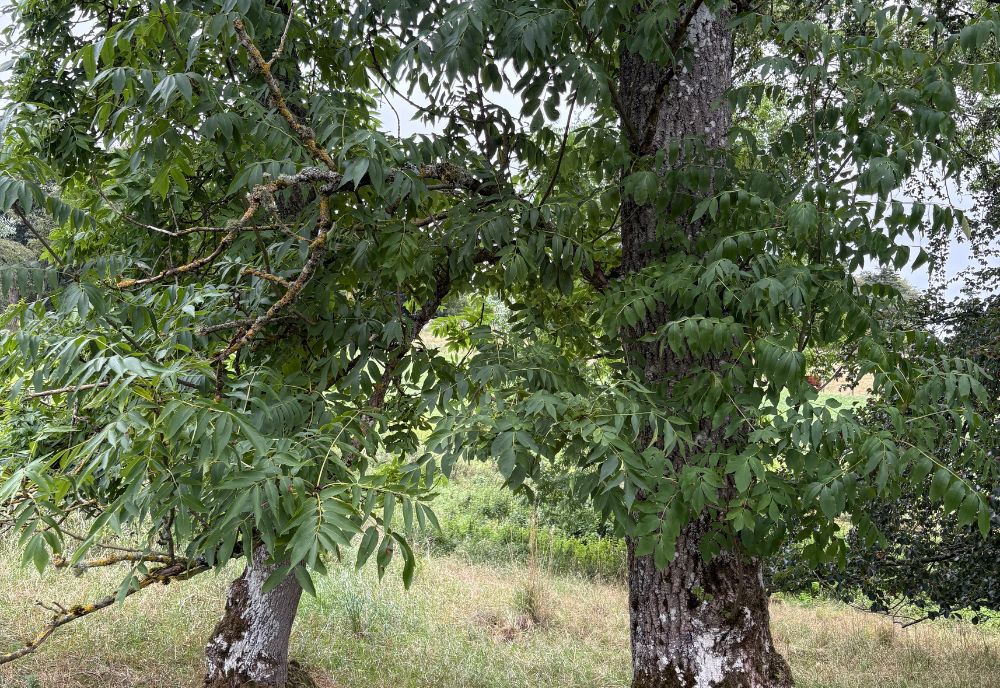
Alder
Alders are particularly happy in damp ground, so you’ll often find them around streams, ponds and wetter areas.
At Airhouses, they are part of the landscape around our ponds and provide useful shelter and habitat for wildlife. Their small cones can remain on the tree after the leaves have fallen, giving them an interesting appearance through the winter. Alder has also been an important tree in Scotland for centuries, with its wood traditionally used for everything from water-resistant structures to charcoal.
Alder has a mysterious reputation in folklore. In Irish and Celtic folklore it was associated with transformation and sometimes with supernatural beings. Its wood’s resistance to water also gave it practical importance.
Sycamore
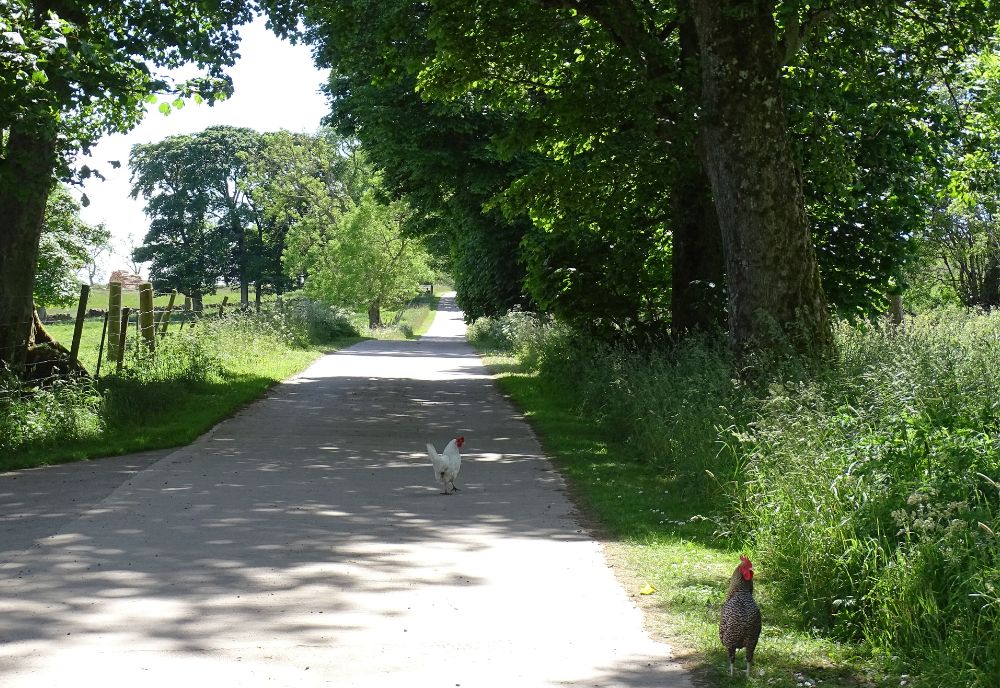
The sycamore is one of the familiar trees around the farm. It is a robust tree that copes well with Scotland’s often unpredictable weather and can grow into an impressive size. You can see them all down the main road to the properties, and outside the Capercaillie.
In autumn, its leaves turn shades of yellow and gold before falling, covering the ground beneath the trees.
Look closely at the ground and you may also spot its distinctive winged seeds – often called ‘helicopters’ by children – which spin as they fall.
Sycamores doesn’t have the same depth of ancient Scottish folklore as rowan, oak or hawthorn, partly because sycamore is a relatively recent introduction to Britain.
Oak
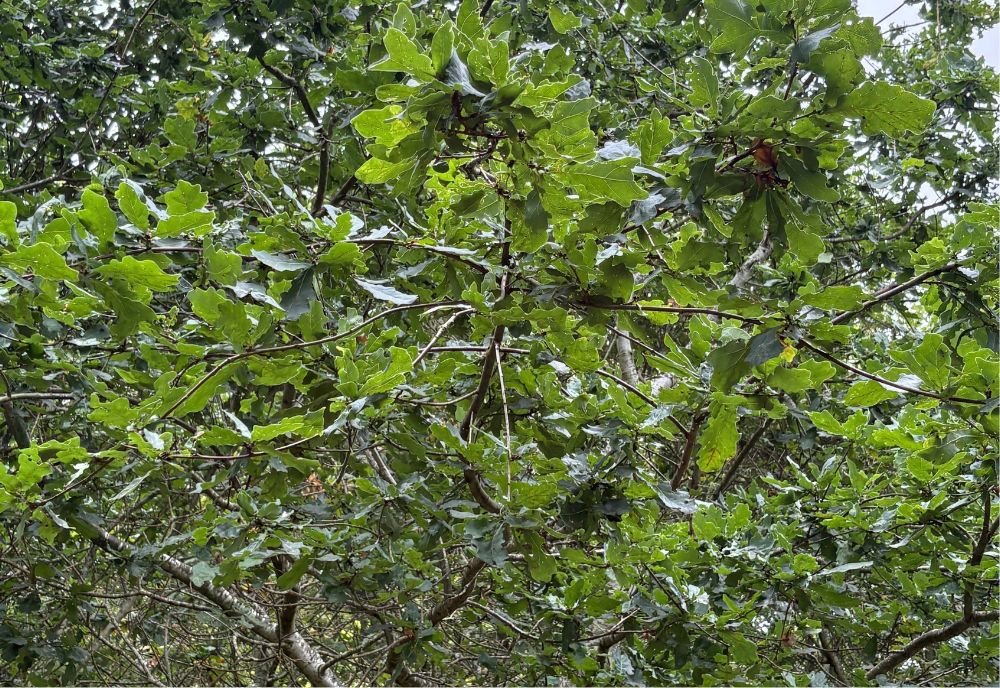
Oak trees have a very different feel. Strong, long-lived and deeply rooted, they are one of the great trees of the British countryside. We only have small young ones that Carol and Martin replanted 20 years ago around the farm, but they get a little bigger every year. We are proud to have reintroudced this lovely tree.
Their acorns are an important food source for wildlife, while the branches and bark provide shelter for insects, birds and other creatures.
An oak can support an extraordinary amount of life, even when we’re only noticing the tree itself.
The Oak is associated with strength, protection and longevity. Oaks have long been regarded as sacred trees in Celtic traditions, and the tree’s strength made it a symbol of endurance.
Ash
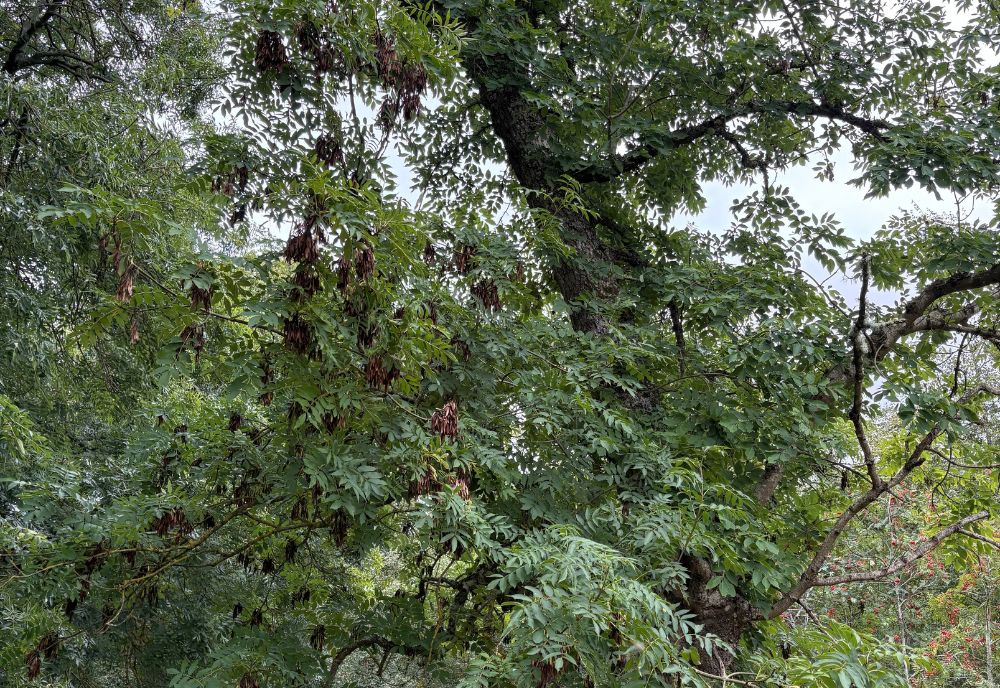
Ash is another familiar tree in the Scottish Borders countryside, with its distinctive black buds and long, narrow leaves.
In summer, its light canopy allows plenty of sunlight through, while in autumn the leaves can turn a lovely golden colour before falling relatively early.
Ash has traditionally been an important timber tree, particularly valued for its strength and flexibility. Like many ash trees across Britain, those around Airhouses are part of a changing landscape as ash dieback continues to affect the species. It is a reminder that our countryside is always changing, even when it seems permanent.
The Ash has a particularly important place in Celtic and Norse traditions. In folklore it was associated with protection and healing, and ash wood was traditionally used for tools and handles because of its strength.
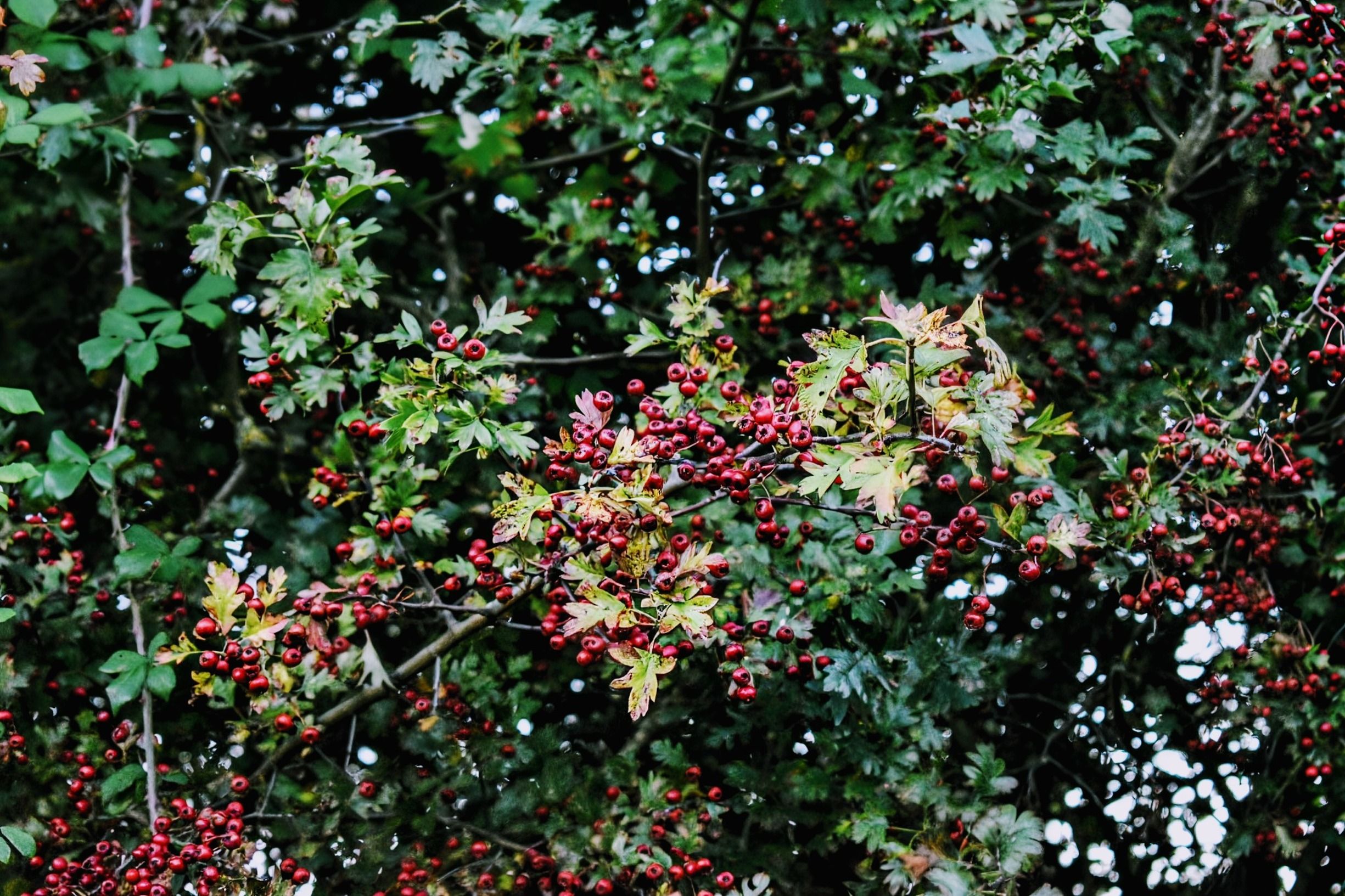
Hawthorn
Hawthorn is one of those trees that can easily be overlooked, particularly when it is growing as part of a hedge. At Airhouse they grow in the wild lands beside the road in. They are squat dense trees covered in lichen. In May they are awash with white blossom and in autumn, its bright red berries make it much easier to spot.
Hawthorn provides food and shelter for a wide range of wildlife, and its dense branches make excellent nesting habitat for birds. In spring, it’s white blossom is one of the familiar signs that the countryside is waking up after winter.
The Hawthorn is traditionally associated with the supernatural and with fairies. In Scotland and elsewhere, solitary hawthorns were sometimes believed to be fairy trees, and cutting one down was thought to bring bad luck. Hawthorn blossom was also associated with May and the arrival of summer.
Rowan
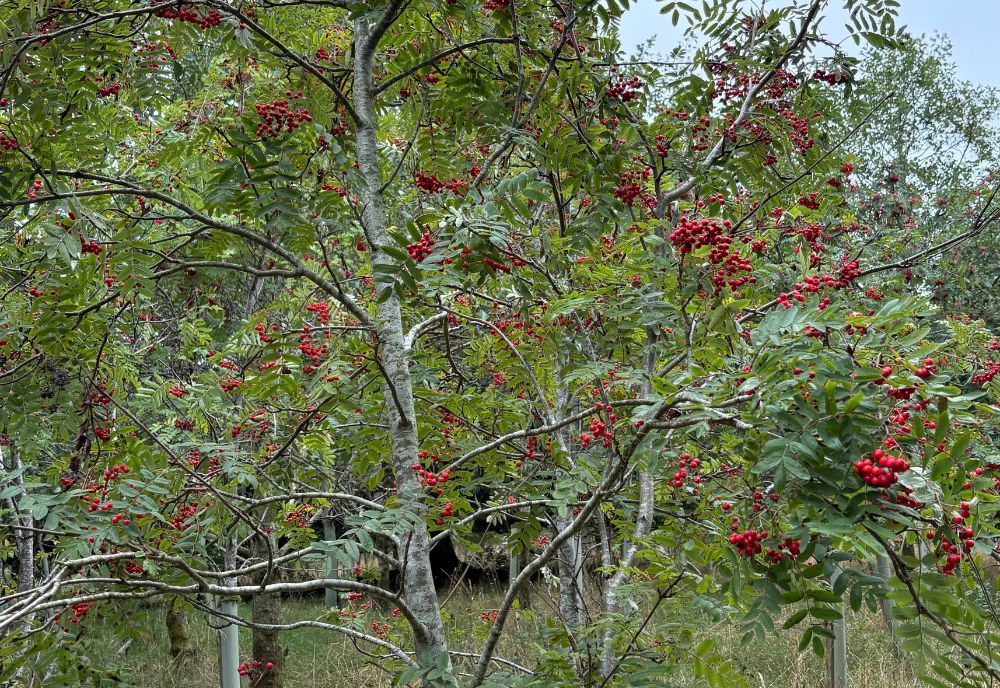
Rowan is a particularly lovely tree to look out for as summer turns to autumn.
Its clusters of bright red berries stand out against the leaves and are an important food source for birds. The leaves gradually turn orange and red before falling, making rowan one of the trees that really announces the arrival of autumn.
Rowan also has a long history in Scottish folklore, where it was traditionally regarded as a tree offering protection.
In Scotland, sprigs of rowan were sometimes placed above doors or carried as protection against evil or witchcraft. It was considered unlucky to cut down a rowan unnecessarily.
Silver Birch
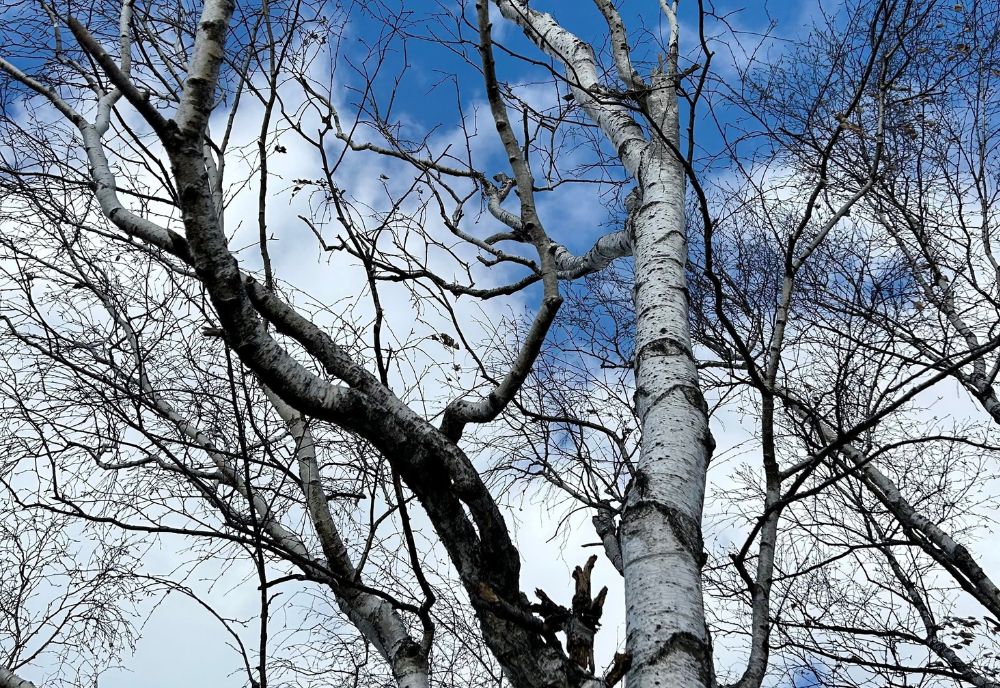
The silver birch is perhaps one of the easiest trees to recognise around Airhouses.
Its pale, silvery-white bark catches the light, particularly on a bright autumn day, and its delicate leaves give the tree a much lighter appearance than some of the larger, broader trees around the farm.
Birch is a valuable tree for wildlife and supports a wide range of insects, which in turn provide food for birds.
It is also one of the first trees to colonise open ground, making it an important pioneer species in the landscape.
Birch has long been associated with renewal and new beginnings in folklore. Its white bark and ability to colonise open ground helped give it a symbolic connection with cleansing, fresh starts and the arrival of spring.
A changing view from Airhouses
One of the things we love about the trees around Airhouses is that they are never quite the same.
In spring, everything begins to green up. Summer brings full canopies and deep greens. Then, almost imperceptibly at first, the colours begin to change.
By autumn, the trees become part of a much richer landscape of gold, russet, red and brown. On a sunny day, the colours can look completely different from the same view in mist or rain.
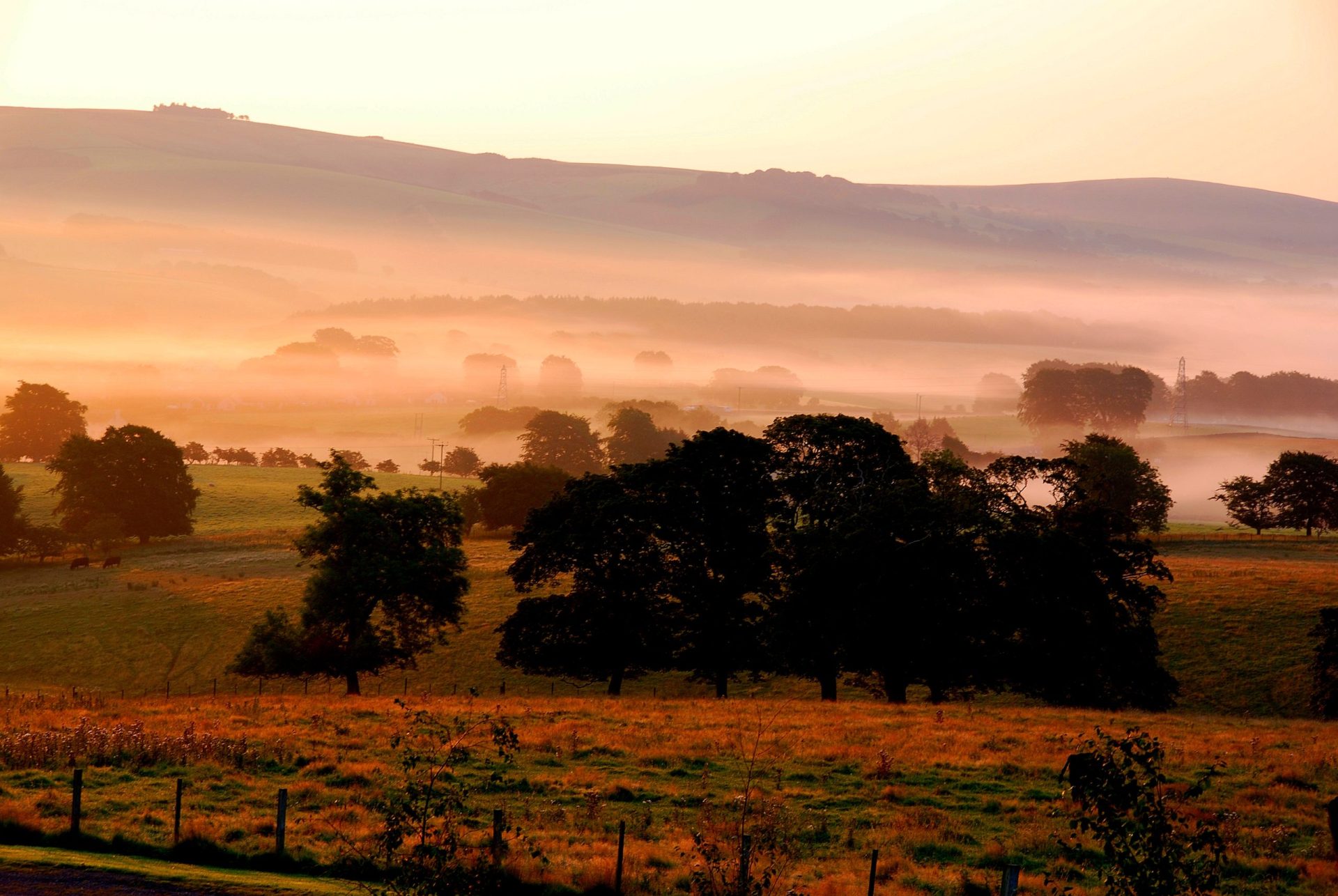
The weather can change the landscape surprisingly quickly too. A misty morning can soften the hills and trees, while clear autumn sunshine picks out individual trees and brings out the colours. From the lodges, you can watch those changes happen without even going anywhere.
And then the leaves fall, opening up the landscape once again and giving the winter countryside a very different character.

Look a little closer on your next walk
When you’re walking around the Airhouses farm, take a little time to look at the trees. You might notice the berries on a rowan, an acorn beneath an oak, the white bark of a silver birch or a sycamore seed spinning down through the air.
They are easy to walk past, but each one is part of the farm’s landscape – and part of what makes a stay at Airhouses feel connected to the countryside around you.
Frequently asked questions about the trees at Airhouses……
What trees can you see at Airhouses?
Around the Airhouses farm and its walks, you can find alder, sycamore, oak, ash, hawthorn, rowan and silver birch, among other trees and vegetation.
Where can I see the trees at Airhouses?
The trees can be seen in different parts of the farm, including around paths, field boundaries and wetter areas near the ponds. The landscape changes with the seasons, so there is always something different to notice.
Is autumn a good time to visit Airhouses?
Yes. Autumn is a lovely time to explore the farm and the wider Scottish Borders countryside. The trees bring changing leaf colours, berries and seeds, while the weather can create very different views from day to day.
Can you walk around the farm at Airhouses?
Guests can enjoy walks around the farm and countryside surrounding the accommodation, with opportunities to see wildlife and enjoy the changing landscape.
Can you see the trees from the Airhouses lodges?
Yes. The countryside views from the accommodation change throughout the year, and autumn brings a particularly beautiful mix of changing trees, fields and hills. Even the weather can transform the view, from clear autumn days to misty mornings and dramatic skies.